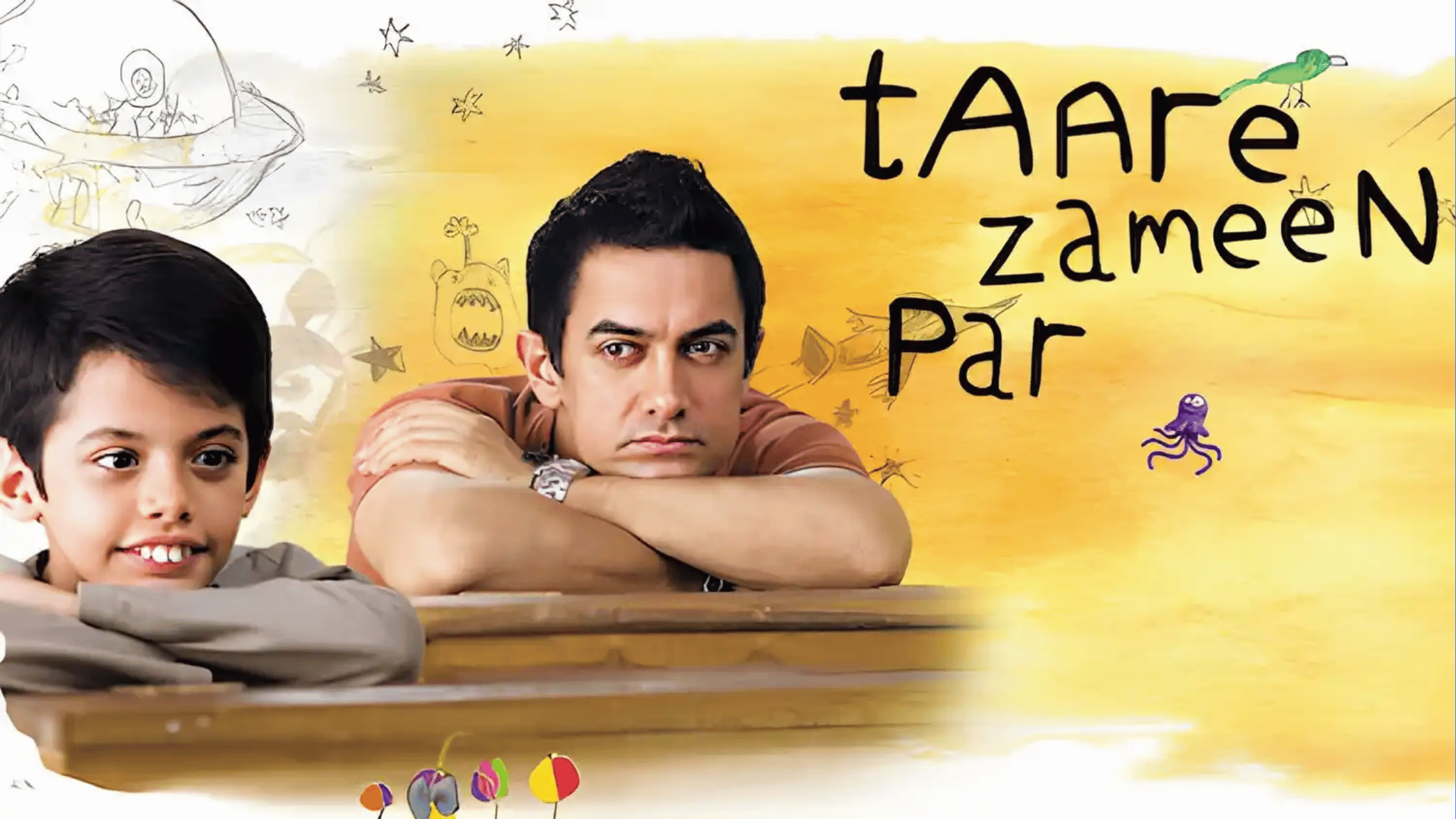
Lessons from Ishaan in Taare Zameen Par: Understanding Dyslexia Beyond the Screen
Children and adults with dyslexia regularly face stigma from the public. This is mostly because many people do not understand what dyslexia is, what people with this condition go through, or how to relate to them. Dyslexia is a condition that affects an individual's ability to learn.
Therefore, maintaining a positive relationship with people in this condition is helpful. This article highlights the positive lessons from the movie “Taare Zameen Par”. These lessons are to help parents, teachers, and guardians learn how to understand and effectively assist individuals with dyslexia in their daily lives.
What is Dyslexia?
Dyslexia is a learning difficulty that affects individuals of all ages. Globally, approximately 5–15% of the population is affected by this condition. It results from a difference in the brain's ability to understand language and phonology. This condition affects their ability to read letters properly and often mixes up the letters. For instance, reading the letter ‘b’ as d ' and some others. It can also impact a child's speech and writing abilities, making it challenging for them to express themselves effectively.
Dyslexia does not necessarily affect a person's vision. However, it is essential to recognize that it may be hereditary. That is, it can be passed down from one family member to another.
Lessons from Ishaan in Taare Zameen Par
Here are some vital lessons on how to manage Dyslexia gleaned from Taare Zameen Par:
1. It is Important to Discover Dyslexia Early
Parents and guardians should seek help from health professionals or therapists when they notice their children struggling to learn. This wil help immensely is understanding what a child is going through and how best to support the child effectively.
Ishaan’s condition was not identified early enough in the movie. His condition was misinterpreted as being lazy and disobedient, with no desire to study. Thankfully, when he arrived at a boarding school, his art teacher was able to notice that he had Dyslexia. The teacher was further able to help the boy discover his talent.
2. Children With Dyslexia Can Thrive
Kids with this condition struggle to read or write complete sentences and are at times academically below par. However, many of them have hidden abilities that just need to find expression. Just like Ishaan, who had a great imagination and artistic talent, which later found expression.
While dyslexia affects children differently, parents, teachers, and guardians should look beyond academic intelligence and recognize other areas where the child can excel, thereby supporting them.
This will allow the child to cope with this condition and channel their efforts into striving to become better individuals, regardless of their condition.
3. Show Empathy and Patience
A great deal of patience and empathy is needed when relating to kids with dyslexia. Ishaan had a loving mother who was always there for him, regardless of his situation, but the case was different with his father. His father was harsh and wanted him to excel academically, constantly comparing him to his older brother, which worsened the boy's condition.
When a parent or guardian shows love and care to a child with dyslexia, the child is bound to believe they can excel in life. Parents and teachers need to see beyond the academics or the four walls of a school of a kid with dyslexia, but should allow, assist, and encourage them to polish the talents they have.
To sum it up, there are many “Ishaans” in the real world who have dyslexia and are faced with the stigma of the condition.
Dyslexia should not define any kid’s potential. Parents and teachers should actively support these children. Hence, helping them to break the stigma and make a difference in their lives.
Early discovery and understanding on the part of parents and teachers ensure that kids have all the support they need.
Parents and guardians should also seek assistance from professional and experienced therapists, such as those at Healing Uniquely Gifted Souls (HUGS), when they are unsure how to better support a child in this condition or want to improve their approach.